
LikesReal is a real, working SMM reseller panel: we deliver engagement from third-party provider networks using only a public URL, never your password, and every order carries a 30-day refill guarantee. What we cannot offer is platform compliance — buying engagement conflicts with the terms of Instagram, TikTok and YouTube, and no panel, including this one, can remove that risk for you.
Updated: August 2026
Is LikesReal legit and safe to use?
LikesReal is a legitimately operating reseller panel, and we would rather explain exactly what that means than let the word "legit" do the work. We take an order, forward it through an API to a larger fulfillment provider, and deliver the result to the public URL you supply. We never ask for your password, we publish our refund policy, privacy policy and terms, and orders are processed automatically 24 hours a day.
"Safe," though, is two separate questions, and conflating them is how buyers get hurt. The first is credential safety: can this service compromise your account? Because we only ever receive a public link, we never hold anything that could log in as you. The second is account compliance: does the engagement itself put your account at risk? There the honest answer is yes, it can. Purchased engagement conflicts with every major platform's terms, and platforms may remove it, reduce your reach, or act against the account. We are not able to promise otherwise, and you should treat any panel that does promise otherwise with suspicion.
So the useful framing is not "is this safe" but "do I understand what I am buying." You are buying a delivered count with a 30-day replacement guarantee. You are not buying an audience, endorsement from the platform, or protection from enforcement.
What LikesReal is, and what it is not
We are a reseller. We do not operate the accounts that deliver your order; we buy capacity from upstream provider networks and resell it with our own pricing, support and refill terms. That model is standard across this industry, and stating it plainly matters more than the label.
What that means concretely:
- We control pricing, order routing, refill handling, refunds and support.
- We do not control the individual accounts delivering engagement, their geography, or how a platform will classify them.
- We cannot verify that delivered followers are real people who will engage with your future posts. Nobody reselling this can.
How does no-password ordering actually work?
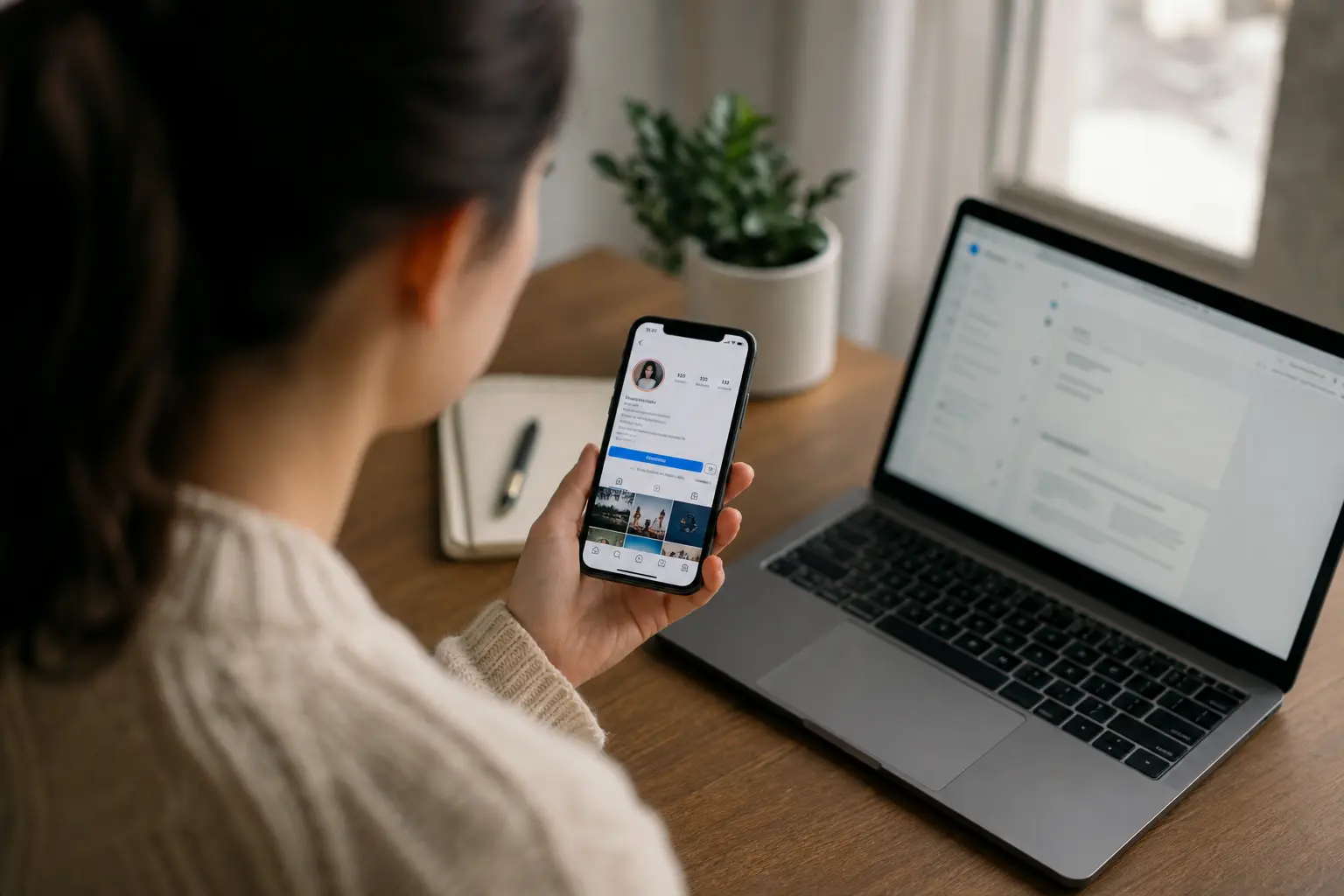
No-password panels work because they interact with the public side of a platform. Your profile, post, video or channel is already visible to anyone with the link, so a provider can direct activity toward it without ever authenticating as you. A public URL is enough to place an order.
At checkout you choose a platform, a service type, a quantity and a target URL. We forward that through an API to a fulfillment provider, which uses its own network of accounts to deliver. You never enter a password, and you should never be asked for one. If any panel requests your password, a recovery code, a two-factor code, a session cookie or an access token, stop — that request has no legitimate purpose in this workflow, and it is not one we will ever make.
No password does not mean no data. We still receive your target URL, your email address, your order history and your payment details through our processor. Our privacy policy covers what we retain. Use a unique password for your panel account, as you would with any service.
What does our 30-day refill guarantee actually cover?
Every LikesReal order includes a 30-day refill window, the industry's R30 convention. Within those 30 days, if your delivered count drops, we replace the missing quantity at no additional charge.
Read that as precisely as it is written. A refill replaces quantity. It does not replace the original accounts, restore a particular audience, or undo any change in how a platform distributes your content. If 1,000 delivered followers fall to 700, we top the 300 back up; we are not claiming the replacements are the same accounts or a better audience.
| Policy label | Coverage window | What it replaces | What it does not do |
|---|---|---|---|
| R30 (LikesReal standard) | 30 days from delivery | Dropped count | Restore reach, guarantee authenticity |
| R365 | 365 days | Dropped count | Same limits, longer window |
| Lifetime | Provider-defined | Dropped count | Often excludes service changes |
| No refill | None | Nothing | No protection at all |
Separate three things before you order anywhere: delivery speed, retention, and refill execution. A service can deliver fast, retain poorly, and still be within its stated terms. Ours is a 30-day count-replacement promise — no more than that, and we would rather you know the boundary before you pay than discover it after.
What buying engagement cannot do for you
This is the section most panels leave out, which is precisely why it belongs here.
Purchased engagement is a visibility signal, not an audience. Delivered followers usually will not watch your next video, reply to a post, join a broadcast channel or buy anything. That gap has a measurable consequence: a larger follower count with the same real engagement lowers your engagement rate, because the denominator grew and the numerator did not. If you later pitch a brand or run ads, that ratio invites scrutiny rather than confidence.
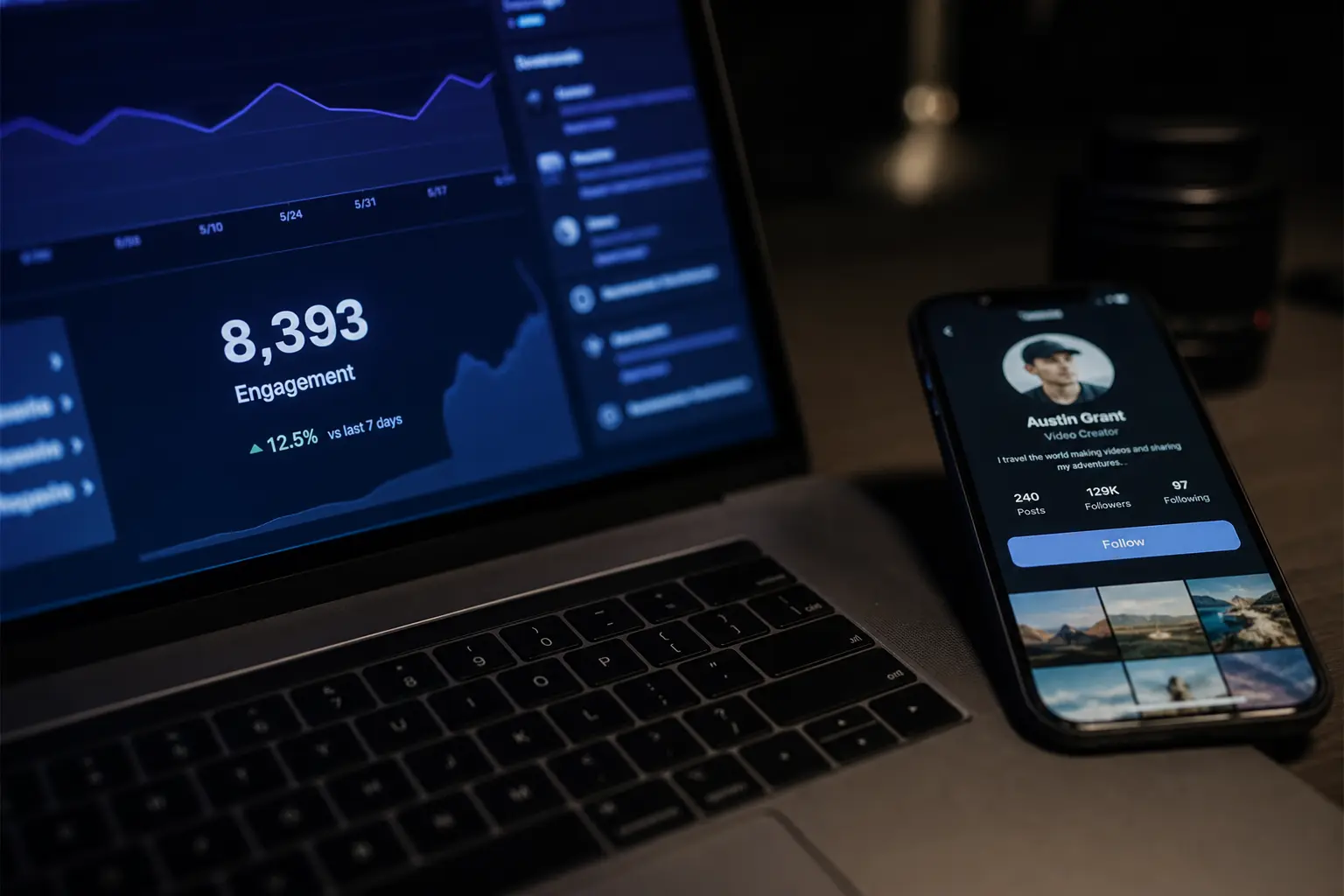
There is also platform risk, and it is real rather than theoretical. Meta, TikTok and YouTube all reserve the right to remove artificial engagement and to restrict accounts that manipulate platform signals. Detection is automated and pattern-based: sudden spikes, synchronized activity, empty accounts, engagement that does not match your normal audience. You do not have to operate the network yourself to be affected by its removal.
Our advice, from a company that sells this: use it for social proof if that is genuinely what you need, keep the volume proportionate to your real audience, and never let purchased numbers into the baseline you use to judge your own content. Measure saves, replies, profile visits, watch time and conversions separately. Those are the numbers that tell you whether anything is working.
What does LikesReal cost?
Our published prices are the real ones, and they are on each service page rather than behind a quote. Instagram Followers, as of August 2026:
| Quantity | Standard | Premium |
|---|---|---|
| 100 | $2.99 | $4.49 |
| 500 | $6.99 | $11.99 |
| 1,000 | $12.99 | $19.99 |
| 5,000 | $34.99 | $79.99 |
| 10,000 | $54.99 | $119.99 |
Prices change as our upstream costs change, so the Instagram Followers page is the authoritative figure, not this table. The same ladder structure applies across Instagram Likes, TikTok, YouTube and Telegram services.
How to test any SMM panel before you commit
This applies to us as much as to anyone else. If a panel fails one of these, do not scale up with it.
- Confirm what it asks for. A no-password workflow needs a public URL, a quantity and a service type. Nothing else. Stop if support asks for account access after checkout.
- Read the refill terms before paying. Find the window, whether refills are automatic or manual, and what voids them — a username change, a deleted post or a privacy-setting change usually does.
- Ask support one specific question. Ask how a refill is triggered and how long a manual request takes. Save the answer with your order ID. Vague replies are the warning.
- Order the smallest package first. A 100-unit test shows you delivery speed, drop behaviour and audience composition for a few dollars.
- Measure business outcomes separately. Track qualified profile visits, saves, replies and conversions apart from the purchased count, so your baseline stays honest.

“A refill can repair a number, but it cannot repair weak audience signals. Judge a service by what remains useful after delivery, not by the order total on day one.” - Maya Chen
Frequently Asked Questions
Can LikesReal access my Instagram account without my password?
No. We receive only the public URL you submit at checkout, so we never hold anything that could sign in as you. We will never ask for a password, recovery code, two-factor code, session cookie or access token, and you should refuse any service that does.
What does R30 mean on an SMM panel?
R30 means a 30-day refill window: if your delivered count drops within 30 days, the provider replaces the missing quantity. It is a promise about quantity only. It does not mean the engagement is authentic, permanent, or that your reach is protected.
Is buying followers against Instagram's or TikTok's rules?
Yes. Purchased engagement conflicts with the terms of every major platform, and platforms may remove it or restrict accounts that use it. We state this plainly because a panel that tells you otherwise is not being straight with you. Decide with that in view.
Will a refill stop my account from being shadowbanned?
No. A refill only restores a lost quantity under our terms. It cannot restore recommendation eligibility or reach if a platform has acted on the account. If you see unusual reach changes or restrictions, stop ordering and review your account status.
Do you guarantee the followers are real people?
No, and we will not claim it. We resell capacity from upstream provider networks and cannot verify who is behind each delivered account. Treat purchased engagement as social proof, not as an audience.
Key Takeaways
- LikesReal is a working reseller panel: public URL only, never your password, 30-day refill on every order, prices published on each service page.
- Credential safety and account compliance are different questions. We can address the first; no panel can remove the second.
- R30 replaces a dropped count. It does not replace an audience, authenticity, or lost reach.
- Purchased engagement lowers your engagement rate by growing the denominator. Keep it out of the baseline you judge your content by.
- Test any panel — including this one — with the smallest package before scaling.