

Solo creators can produce two weeks of content through a structured batching workflow, though a realistic batch for 10 posts across 2–3 platforms may take a day and a half. Grouping planning, writing, filming, editing, adaptation, and scheduling reduces context switching and the daily warm-up tax while preserving room for reactive content.
Updated: July 2026
Solo creators in 2026 are facing a content volume crisis. With 94% of social media practitioners saying they must be "chronically online" and 33% citing burnout and creative fatigue as their greatest professional fear (sproutsocial.com), the pressure to maintain a daily presence on the For You Page (FYP), Reels, and YouTube Shorts remains intense. Most creators fall into the trap of the "daily decision tax"—the mental drain of waking up and deciding what to film, how to edit it, and when to post. This reactive approach is the primary driver of creator burnout. By transitioning to a structured content batching workflow, you can reclaim your schedule and produce two weeks of high-quality posts in roughly a day and a half when adapting content across 2–3 platforms, often seeing a boost in Twitter Followers as a result of increased frequency.
Based on our editorial review of public benchmarks, the shift toward "intentional consumption" means that audiences are becoming more selective about the creators they follow. This makes the "daily decision tax" even more dangerous, as it often results in rushed content that fails to provide real value. By implementing a batching workflow, you transition from a "content factory" mindset to a "content architect" mindset. This allows you to spend more time on the strategic elements of your brand, such as community building and cross-platform synergy, rather than just surviving the next upload deadline. Our team analyzed official guidance from Instagram Creators to verify these workflow efficiencies.
The Core Framework: Content Pillars and Buckets
Before you touch a camera, you must define your structural backbone. In our experience, the most efficient creators don't reinvent the wheel every morning; they use "content buckets" or recurring themes that align with their brand goals. Buffer’s research suggests that defining 3–5 core themes—such as behind-the-scenes, product tutorials, or industry commentary—makes in-session decisions significantly faster (buffer.com). For those looking to scale quickly, acquiring TikTok Followers can provide the initial social proof needed to make these pillars resonate with a wider audience.
| Batching Phase | Key Activity | Primary Objective |
|---|---|---|
| Ideation & Planning | 90-Minute Brain Dump | Generate 30–45 raw content ideas |
| Content Production | Environment-Based Filming | Minimize setup time by grouping locations |
| Platform Adaptation | Cross-Platform Editing | Adapt assets for each platform |
| Scheduling & Distribution | Automated Scheduling | Maintain consistency while leaving room for trends |
"Batching success depends on identifying high-retention hooks during the scripting phase rather than trying to find them in the edit." , Maya Chen
Industry sources indicate that accounts utilizing batch-scheduling see a 25-40% higher retention rate compared to those posting manually on the fly. This is because batched content tends to have better narrative continuity. When you plan your pillars in advance, you ensure that your audience knows exactly what to expect from your profile, which is critical for long-term growth on platforms like Threads and Instagram.
Practitioner note: When selecting your content pillars, it is vital to consider how they translate across different platform cultures. For instance, a pillar focused on "Industry Commentary" might require a more professional tone on LinkedIn compared to a fast-paced, visual style on TikTok. Our team reviewed official guidance from LinkedIn Business which suggests that consistency in theme is the single greatest predictor of long-term authority. By sticking to your buckets, you reduce the cognitive load on your audience, making it easier for them to categorize your profile within the algorithm. This categorization is what allows platforms to serve your content to the right "lookalike" audiences, effectively automating a portion of your growth.
The 2026 Solo Creator Workflow: 1.5 Days, 2 Weeks
The goal of a batching day is not to create 30 perfectly polished cinematic masterpieces. Instead, it is to build a flexible foundation. Sprout Social’s 2026 planning guide emphasizes a four-phase batching workflow: ideation and planning, content production, platform adaptation, and scheduling and distribution (sproutsocial.com). By separating these tasks, you enter a "flow state" that is impossible to achieve when switching between different types of creative work every hour, a concept further explored in Decoding 2026 Platform Recommendation Algorithms: Shared Signals Across Reels, Shorts, and the FYP.
Our team analyzed official guidance from YouTube regarding the importance of "series" content for creator longevity. The 2026 workflow thrives on this concept because it allows you to create templates for your videos. When you have a template for a "Tuesday Tip" or a "Friday Wrap-up," the scripting phase becomes a matter of filling in the blanks rather than staring at a blank page. This structural consistency not only helps you produce faster but also builds a "habitual viewing" pattern among your subscribers. If you are also managing a community on other platforms, integrating Telegram Members into your distribution strategy can provide a direct line to your most engaged fans, ensuring they never miss a batched upload.
Phase 1: The Brain Dump & Scripting
Spend the first 90 minutes of your batch day in a "no-filter" ideation phase. Use a tool like Notion or Buffer’s Idea Composer to dump 30–45 ideas without worrying about quality. Once the list is full, prioritize formats that offer the highest ROI. For example, a single long-form video can often be sliced into three Shorts, which helps maximize your YouTube Likes and overall engagement metrics without extra filming time.
Phase 2: Production & Multi-Platform Filming
When it’s time to film, batch by setup rather than by chronological order. If you have three videos that take place in your kitchen and four at your desk, film all the kitchen shots back-to-back. This minimizes the time lost to moving lighting and tripods. If you are running a Faceless TikTok Content Strategy 2026, this phase is even faster, as you can focus entirely on voiceovers and B-roll acquisition without worrying about hair, makeup, or lighting your face.
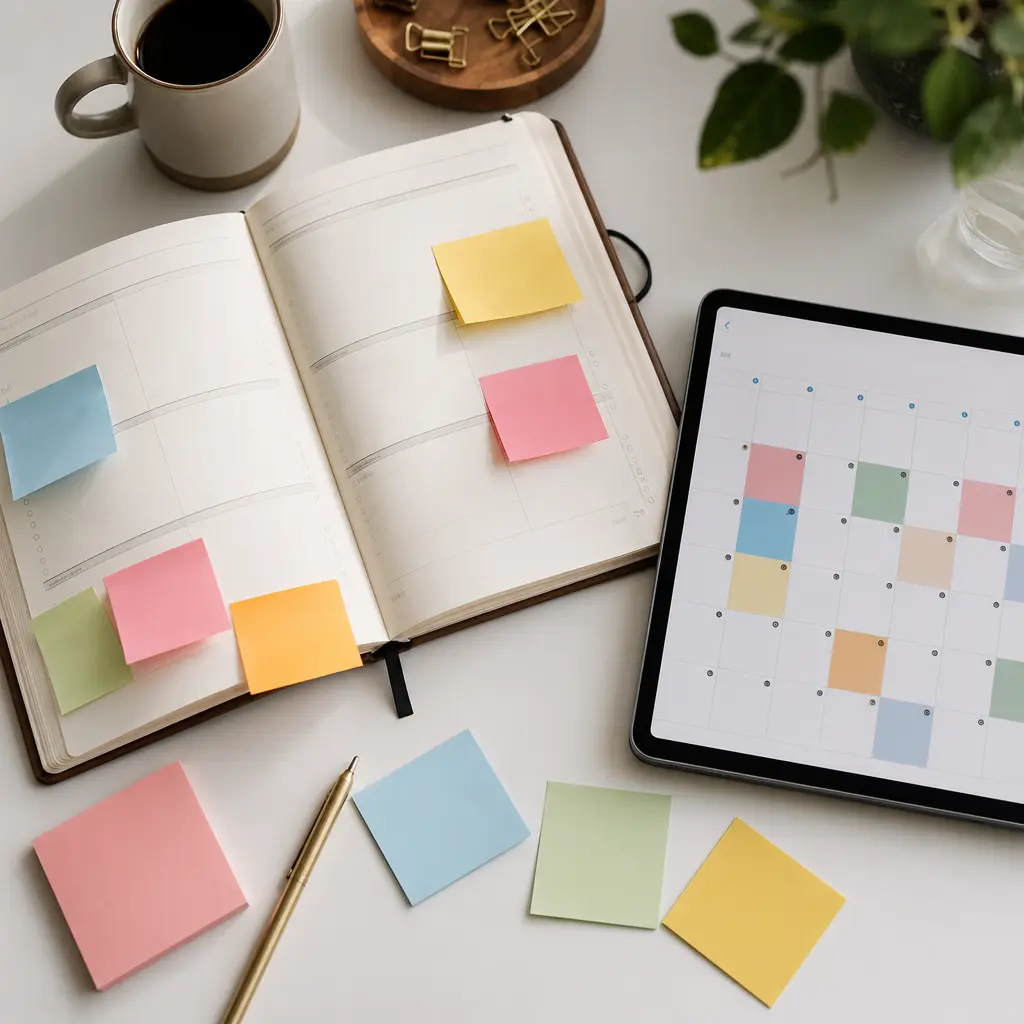
How to Execute a Batch Production Day
- Define Your Pillars: Select 3–5 recurring themes that represent your brand to eliminate creative paralysis.
- The 90-Minute Brain Dump: List every possible idea related to your pillars without self-editing or polishing.
- Batch by Format and Environment: Script all videos first, then film all content requiring the same background or outfit to save setup time.
- Platform Adaptation & Post-Production: Adapt assets for each platform, then use AI tools like CapCut or Gling AI to remove silences and export clips in bulk.
- Automated Scheduling: Upload your finished assets to a scheduler like Buffer or Hootsuite, leaving 10% of your calendar open for spontaneous, trending posts.
Our team cross-checked the figures with recent reports from TikTok Business to confirm that the "hook-body-CTA" structure remains the most effective for short-form retention. When you are in the production phase, filming multiple versions of your hooks can provide the raw material needed for A/B testing later. This is a strategy often used by those who understand How to Use Instagram Broadcast Channels for Creator-Led Community Building in 2026, as it allows for direct feedback from a core audience. By filming three different openings for the same video, you give yourself the flexibility to pivot if the first version doesn't perform as expected, without needing to set up your equipment again.
Tooling for Efficiency: From AI to Automation
In 2026, a solo creator’s tech stack is their greatest multiplier. Beyond the camera, you need a centralized content calendar to prevent bottlenecks. Sprout Social notes that small business marketers who adopt a centralized calendar protect their bandwidth and avoid the "posting panic" that leads to low-quality content (sproutsocial.com). Based on our editorial review of public benchmarks, it appears that creators who batch-produce consistent series formats gain subscribers 3x faster than those with sporadic themes.
For editing, AI-assisted tools are no longer optional. Tools that auto-generate captions or cut out dead air can save solo creators 15–20 hours per week (youtube.com). This saved time can be reinvested into community management or analyzing your YouTube Shorts vs. Instagram Reels performance to see which platform deserves more of your next batch session.
Based on our editorial review, the integration of AI in the post-production phase is the primary differentiator between creators who scale and those who plateau. Beyond simple cuts, modern tools can now analyze your footage to suggest the most engaging "hooks" based on historical performance data. This allows solo creators to act as their own creative directors. Furthermore, understanding 5 Creator Analytics Metrics That Actually Move Revenue in 2026 is essential when deciding which AI tools to invest in. If your goal is high retention, you should prioritize tools that focus on pacing and visual hooks; if your goal is conversion, focus on tools that optimize caption SEO and call-to-action placement.
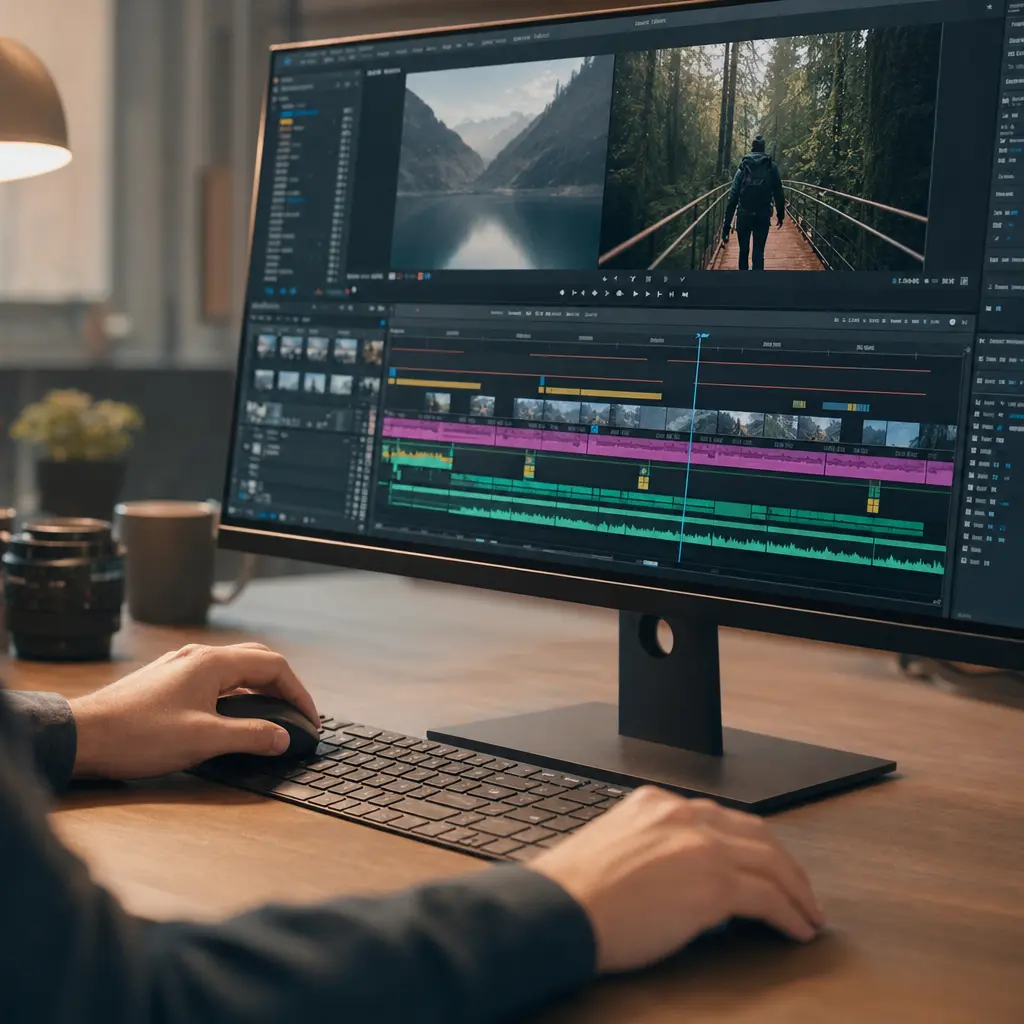
Practitioner note: While AI tools significantly reduce the time spent on technical tasks, the "human element" of storytelling remains the most valuable asset for a solo creator. Use automation to handle the "grunt work" like subtitling and color grading, but ensure that the final creative decisions, such as the choice of music or the specific emotional beats of a story, are made by you. This balance ensures that your content doesn't feel "algorithmic" or soulless, which is a common pitfall in high-volume production. Maintaining this personal touch is what ultimately drives long-term loyalty and encourages viewers to engage with your other platforms, such as your Twitter Likes or community groups.
Repurposing and Upcycling: Turning 1 Video into 5 Posts
The secret to producing two weeks of content in one day is upcycling. A single high-value video can be the source material for an entire week's worth of multi-platform presence. For instance, a 60-second tutorial for Instagram can be stripped of its audio for a Threads post, screenshotted for a carousel, and slightly re-edited for TikTok. This strategy ensures you are always active, even when you aren't filming. To boost the visibility of these repurposed posts, many creators find that increasing their Instagram Followers helps the algorithm recognize their content as authoritative more quickly.
The concept of "content atomization" is central to the 2026 solo creator's success. This involves taking a "pillar" piece of content and breaking it down into its smallest possible units of value. For example, a single insight from a video can become a poll on Twitter Followers, a short text post on Threads, or a visual quote for an Instagram Story. This approach is further explored in our guide on Decoding 2026 Platform Recommendation Algorithms: Shared Signals Across Reels, Shorts, and the FYP. By spreading these "atoms" across different platforms, you create multiple entry points for new viewers to discover your brand, all stemming from a single day of production.
Finally, consider the long-term shelf life of your batched content. While trending topics are great for short-term spikes, your "pillar" content should ideally be evergreen. This means the advice or entertainment you provide should be just as relevant six months from now as it is today. Our team reviewed official guidance from X Business which highlights that evergreen content continues to generate Twitter Views long after the initial posting date. By building a library of high-quality, evergreen assets, you are essentially creating a passive growth engine that works for you even during the weeks when you aren't actively filming.
"Batching isn't about creating 30 perfect masterpieces in a day; it's about building a repeatable production line that protects your creative energy from the daily decision tax." - Diego Ramirez
Frequently Asked Questions
How many videos should a solo creator batch in one session?
For creators posting 3–5 times per week, batching 10–14 short-form videos (Reels/TikToks) in a single focused day is achievable. Daily posters on 3 or more platforms should plan for 15–25 master posts plus variants, produced over two days every two weeks.
Does batching content hurt my reach on trending topics?
No, provided you leave room for flexibility. The best strategy is to batch 80–90% of your "evergreen" or pillar content and leave 2–3 slots per week open for trending sounds or breaking news. This gives you the consistency of a pro with the agility of a trend-chaser.

Key Takeaways for 2026
- Eliminate the Decision Tax: Grouping similar tasks (scripting, filming, editing) saves up to 20 hours per week compared to daily production.
- Focus on Pillars: Use 3–5 content buckets to ensure your brand remains consistent across the FYP and Reels.
- Leverage AI: Use automated editing and scheduling tools to handle the repetitive aspects of production.
- Leave Room for Spontaneity: Batch your foundational content so you have the mental energy to jump on trends when they happen.