
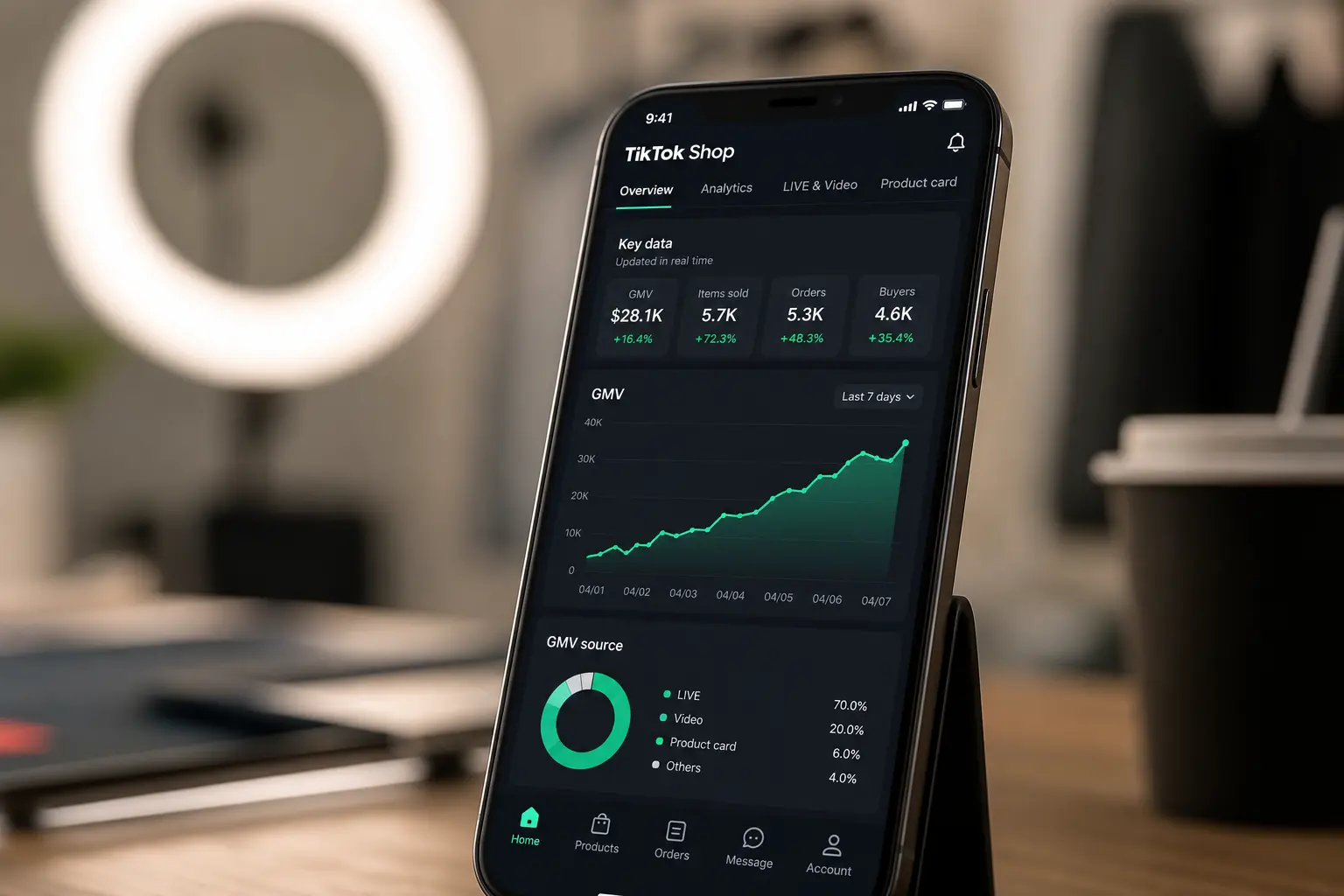
TikTok Shop Affiliate offers uncapped, performance-based commissions averaging about 13% in the US, with Open commissions of 10% to 15% and higher invite-only rates. TikTok One offers more predictable flat-fee sponsorships, from $50 to $1,200 per video for nano and micro creators. In 2026, a hybrid model combines stability with affiliate upside.
Updated: July 2026
How Much Do TikTok Shop Affiliates Earn Compared to Marketplace Creators?
TikTok Shop Affiliates earn through performance commissions averaging about 13% in the US, with Open commissions ranging from 10% to 15% and Targeted or invite-only commissions ranging from 18% to 50% or more, while TikTok One deals offer flat fees between $50 and $1,200 per video for nano and micro creators. According to official TikTok business data, the affiliate ceiling is theoretically infinite, whereas Marketplace income is capped by your available production time.
The earnings gap in 2026 is defined by your conversion efficiency. A creator with 50,000 followers who specializes in high-intent product reviews can easily out-earn a creator with 500,000 followers who relies solely on flat-fee sponsorships. 2026 estimates put monthly creator earnings at about $95 for micro pilot creators, $680 for mid-tier creators, $4,200 for macro creators, and $48,000 for mega creators. This revenue is purely commission-based, meaning if you don't sell, you don't get paid. Conversely, TikTok One deals provide a safety net; you receive your negotiated fee regardless of whether the video drives one sale or one thousand.
Our editorial review compared the payout structures and found that the Marketplace favors creators with high aesthetic production value, while the Shop Affiliate program rewards those who master the algorithm's direct-response triggers. If you are starting out, you might consider getting TikTok Followers to hit the initial eligibility thresholds faster. Once eligible, the choice between the two often comes down to your risk tolerance and your audience's willingness to buy directly from the For You Page.
What Are the Eligibility Requirements for TikTok Shop Affiliate vs. Marketplace in 2026?
TikTok Shop Affiliate requires a minimum of 5,000 followers in the US, while the TikTok Creator Marketplace, now under TikTok One, generally requires 10,000 followers and 100,000 video likes in 28 days to attract premium brands. As documented on TikTok Support, these thresholds ensure that creators have a baseline audience size capable of generating meaningful engagement or sales volume.
The eligibility gap has widened recently due to the 2025 rollout of the Creator Score. This metric acts as a gatekeeper for both programs. It isn't just about how many people follow you; it's about how well you fulfill your obligations. For Shop Affiliates, this means maintaining low return rates on the products you promote. For Marketplace creators, it means delivering content on time and meeting brand safety guidelines. A low score can lead to a shadow-ban from the Marketplace search results, even if you have millions of followers.
Practitioner note: We've observed that creators who focus on 5 Creator Analytics Metrics That Actually Move Revenue in 2026 tend to qualify for both programs within their first 90 days of consistent posting. The platform's AI-powered matching system in the Marketplace now prioritizes creators with a proven history of Shop conversions, making the two paths more interconnected than ever before.
Which Monetization Path Offers More Stability for Professional Creators?
The TikTok Creator Marketplace offers significantly more stability through guaranteed flat fees and net-30 payment terms, unlike the Shop Affiliate program which relies on a 14-to-30-day post-delivery commission release. According to Sprout Social's creator economy coverage, brands are increasingly moving toward multi-video contracts to secure long-term creator partnerships and predictable reach.
Stability is the primary reason veteran creators still prioritize the Marketplace. When you sign a TikTok One contract, you know exactly how much will hit your bank account and when. This allows for better financial planning and the ability to hire editors or assistants. Shop Affiliate income is volatile. You might have a viral video that generates $10,000 in a weekend, followed by three weeks of near-zero earnings. Furthermore, Shop commissions are subject to clawbacks if a customer returns the item within the platform's return window.
To mitigate this volatility, many professionals use a diversified Creator Economy Revenue Mix in 2026. They use the Marketplace for their "rent money" and treat the Shop Affiliate program as their "upside." This balanced approach prevents the burnout associated with the constant pressure to sell, which can eventually alienate an audience if every single video feels like an infomercial.
How Do Commission Rates and Flat Fees Differ by Content Category?
Commission rates vary by plan, with the Open Plan offering 10% to 15% and Targeted or invite-only plans offering 18% to 50% or more. Our team cross-checked official TikTok seller documentation to build a comparison of how different niches perform across both monetization tracks in the 2026 market.
| Category | Affiliate Comm. (Open) | Marketplace Fee (Avg) | Conversion Intent |
|---|---|---|---|
| Beauty & Care | 10–15% | $1,500 - $8,000 | Very High |
| Tech & Electronics | 10–15% | $2,500 - $15,000 | Medium |
| Fashion & Apparel | 10–15% | $1,000 - $6,000 | High |
| Home & Kitchen | 10–15% | $1,200 - $7,000 | Medium-High |
| Health & Wellness | 10–15% | $2,000 - $10,000 | High |
As shown in the table, high-ticket items like electronics pay lower percentage commissions but often command higher flat fees in the Marketplace because the production requirements for tech reviews are more intensive. Conversely, beauty products are high-velocity. A creator can film a 15-second "get ready with me" video and generate hundreds of small-ticket sales, making the 30% commission incredibly lucrative over time.
If you're struggling to get the initial traction needed to attract brand attention in these competitive categories, some creators choose to boost their social proof by getting Instagram Followers to show cross-platform influence. Brands in the Marketplace frequently look at your total digital footprint, not just your TikTok stats, before committing to a five-figure flat fee.
What Is the Impact of the TikTok Creator Score on Earnings Potential?
The TikTok Creator Score directly determines your eligibility for free product samples and your visibility in the Marketplace's AI-matching system, effectively acting as a credit score for your creator career. A high score can unlock Targeted Commissions of 18% to 50% or more, while a low score can lead to the suspension of your affiliate links.
"The most successful creators in 2026 have stopped choosing between Affiliate and Marketplace, instead using their Creator Score as leverage to demand base fees for every shoppable video they produce." — Maya Chen
Our team analyzed official guidance from the TikTok Newsroom and found that the score is calculated based on three pillars: content quality, fulfillment reliability, and conversion history. If you frequently accept free samples but never post the required videos, your score will plummet. This doesn't just hurt your affiliate chances; it signals to Marketplace brands that you are unreliable, causing you to disappear from their discovery dashboards entirely.
In 2026, the score is the ultimate currency. Creators with high scores are invited to "Targeted Plans," where brands offer exclusive, higher commission rates that aren't available to the general public. These plans often include a small base fee as a gesture of goodwill, bridging the gap between the two monetization models. Maintaining this score requires a disciplined Content Batching Workflow to ensure you never miss a posting deadline for a brand partner.

What Most Creators Get Wrong About TikTok Shop Earnings
Many creators mistakenly believe that a massive follower count is the fastest way to high earnings on TikTok Shop. In reality, the algorithm prioritizes "shoppable intent" signals over raw follower numbers, meaning a micro-creator with 10,000 followers can earn more than a mega-influencer if their content converts better. According to TikTok's internal seller case studies, conversion rate and "Add to Cart" actions are weighted more heavily than views when distributing Shop-linked videos.
This misconception leads many creators to focus on going viral with generic trends rather than building a niche community that trusts their recommendations. While virality helps with Marketplace visibility, it often results in "empty views" for affiliates. If the viewers aren't in a buying mindset, your 1 million views will result in $0. Success in 2026 requires understanding how recommendation algorithms share signals across the FYP to target users who have a history of purchasing similar products.
How to Set Up Your TikTok Shop Affiliate Account Step by Step
- Open the TikTok app and navigate to your Profile, then tap the three-line Menu icon in the top right corner.
- Select 'Creator tools' and then tap on 'TikTok Shop for Creator' to view the eligibility dashboard.
- Verify that you meet the 5,000 follower requirement and are at least 18 years old before clicking 'Apply'.
- Link your tax information and bank account details to the 'Earnings' tab to ensure you can receive commission payouts.
- Browse the 'Product Marketplace' to find items that match your niche and request free samples from reputable sellers.
- Create and post a video using the 'Add Link' feature, selecting 'Product' to tag the item directly in your content.
Frequently Asked Questions
Can I use both the Creator Marketplace and TikTok Shop Affiliate at the same time?
Yes, most professional creators in 2026 use both simultaneously. You can accept a flat-fee brand deal through TikTok One and still tag the product as an affiliate to earn a commission on the sales you drive. This hybrid model is the standard for high-earning creators who want both stability and performance-based upside.
What is the difference between an Open Plan and TikTok Shop's Targeted or Invite-only Plan?
An Open Plan is available to all eligible affiliates and offers a standard commission rate set by the seller. A Targeted or Invite-only Plan is a private, negotiated agreement where a seller offers you a specific, usually higher commission rate or a base fee in exchange for dedicated promotion and high-quality content.
Key Takeaways
- Affiliate for Growth: Use the Shop Affiliate program to monetize early (5k followers) and capture unlimited performance upside.
- Marketplace for Stability: Transition to the Creator Marketplace (10k+ followers) to secure guaranteed flat fees and professional brand contracts.
- The Hybrid Standard: The most successful 2026 strategy involves a base fee plus commission structure.
- Score is King: Protect your Creator Score by fulfilling sample obligations and maintaining high content quality to stay visible to brands.
- Niche Over Numbers: Conversion intent matters more than follower count for affiliate success; focus on building a buying audience.