
Instagram AI discovery in 2026 prioritizes semantic keywords and watch-time retention over traditional hashtags. By optimizing captions for Google indexing and maximizing DM shares, creators can trigger the Interest Graph. Research indicates nearly 50% of feed content is now AI-recommended, making semantic relevance the primary driver for reaching non-followers effectively.
Updated: September 2026
How Does the Instagram Algorithm Rank Content in 2026?
Instagram uses multiple specialized AI models rather than a single algorithm to rank content across Feed, Reels, and Explore. According to official Instagram documentation, these systems prioritize interest-based signals like watch time and re-watches. The platform has officially shifted from a social-graph model to an AI-driven interest-graph recommendation engine.
The Shift to the Interest Graph
Our editorial review of recent platform updates confirms that who you follow matters less than what you watch. In 2026, roughly 40 to 50% of the content in a user's feed originates from accounts they do not follow. This shift ensures that high-quality content can find an audience based on topical relevance rather than existing follower counts. The AI analyzes visual elements, audio fingerprints, and caption semantics to categorize every post into specific interest clusters.

Which Metrics Matter Most for AI Discovery in 2026?
Instagram now uses Views as the primary unified metric for all content formats including Reels, Stories, and Photos. As noted by Sprout Social, this change signals that the AI prioritizes attention retention above all else. For Reels specifically, DM shares carry the highest algorithmic weight for triggering broader distribution to non-followers.
Ranking Signal Hierarchy
Practitioner note: Not all engagement is equal in the eyes of the AI. While a like is a low-effort signal, a DM share tells the AI that the content is valuable enough to warrant a personal recommendation. We've observed that posts with high share-to-view ratios often experience a second wave of reach 48 hours after posting. The AI vision system also scans for on-screen text and original audio to determine if the content is unique or merely a low-effort re-share.
| Metric Type | AI Weighting (2026) | Primary Discovery Impact |
|---|---|---|
| DM Shares | Very High | Explore & Reels Feed Distribution |
| Watch Time | High | Retention-based Recommendations |
| Saves | Medium | Feed Longevity and Search Ranking |
| Comments/Likes | Low | Social Proof and Immediate Feedback |
How Can You Optimize Instagram Captions for AI Search?
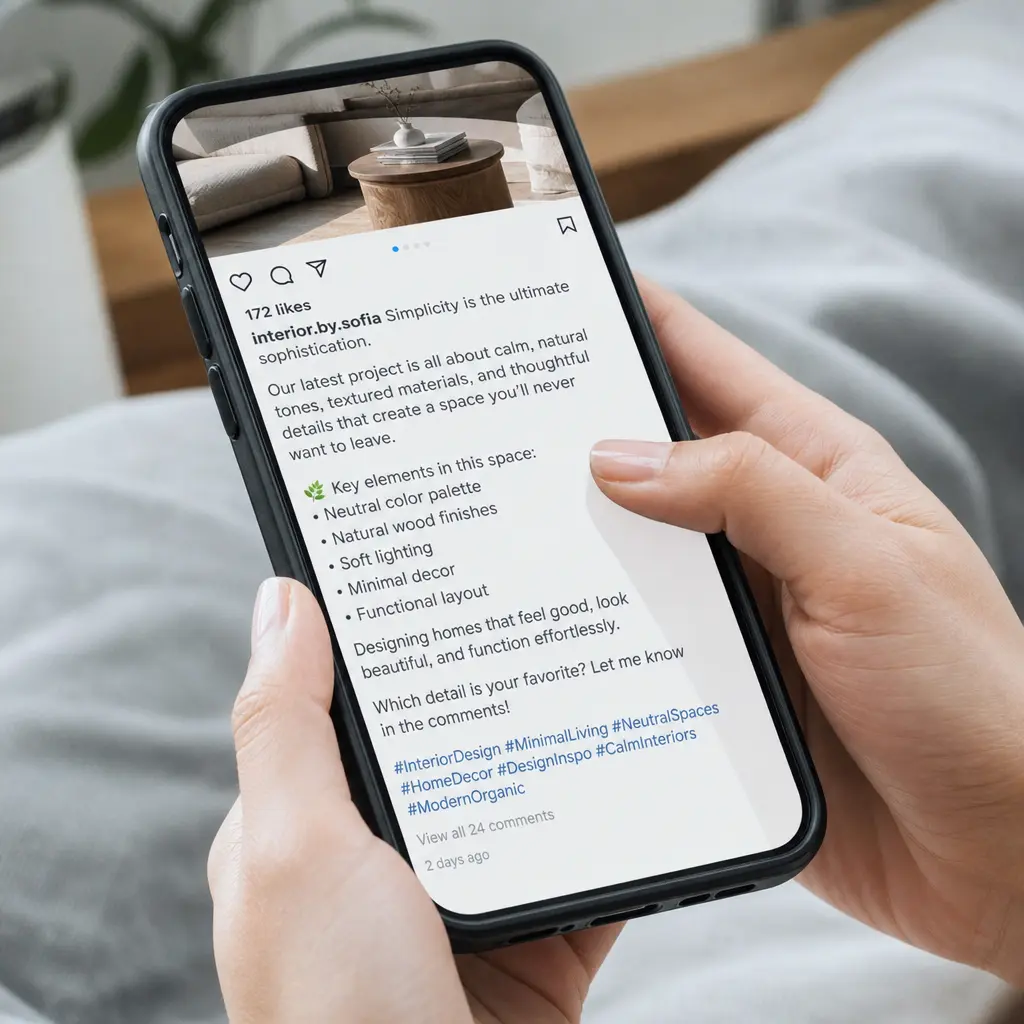
Captions are now indexed as semantic signals that feed both Instagram's internal search and external engines like Google. According to Buffer's 2026 research, you should place your primary keyword in the first sentence of your natural-language caption. This strategy has largely replaced the old method of using 30 hashtags for discovery.
Moving Beyond Hashtags
Hashtags in 2026 function as categorization tags rather than reach drivers. The AI is sophisticated enough to understand the context of your post through the words you use. If you are trying to grow, focusing on Instagram Followers through keyword-rich descriptions is more effective than hashtag stuffing. Use 3 to 5 highly specific tags to help the AI categorize your niche, but let your descriptive text do the heavy lifting for search intent.
What is the Impact of Google Indexing on Instagram Posts?
Since the expansion of Google indexing for professional accounts in July 2025, Instagram posts now surface in AI-powered search overviews. This second discovery channel means your alt text and location tags are critical for appearing in Google AI Overviews. Our team cross-checked this by reviewing TechCrunch's reporting on the 357% year-over-year growth in AI-driven referral traffic.
Alt Text as an SEO Lever
Manual alt text provides the AI with keyword context it might miss through vision scanning alone. When you upload a photo or video, the platform's automated system generates a basic description, but adding your own allows you to include specific industry terms. This is a high-leverage move for decoding 2026 platform recommendation algorithms and ensuring your content is indexed correctly across the web.
How to Optimize Your Content for AI Step by Step
- Identify three primary keywords for your post using a tool like VidIQ or SEMrush to match user search intent.
- Draft a natural-language caption placing the most important keyword within the first 60 characters to capture both AI and user attention.
- Add descriptive manual alt text by navigating to Advanced Settings → Accessibility → Write Alt Text before hitting share.
- Embed original audio or high-quality trending tracks to signal content freshness to the Reels recommendation engine.
- Include on-screen text overlays that mirror your primary keywords to assist the AI vision system in categorizing the video.
- Share the post to your Stories with a CTA that encourages viewers to send the post to a friend, boosting your DM share signals.
What Most Creators Get Wrong About AI Discovery
Many creators still believe that high engagement in the first hour is the only way to go viral. This is a misconception because the Interest Graph AI often uses a slow-burn evaluation period to test content with small, relevant cohorts before expanding reach. According to Hootsuite, the 2026 algorithm rewards consistency and topical authority over short-term engagement spikes, meaning older posts can suddenly resurface if they match a trending interest.
"AI discovery isn't about gaming a single metric; it's about providing the most legible context so the machine knows exactly who to show your content to." — Maya Chen

Frequently Asked Questions
Should I still use 30 hashtags in 2026?
No, using 30 hashtags is no longer recommended and can sometimes signal spam to the AI. Best practice in 2026 is to use 3 to 5 highly relevant hashtags that define your specific niche. The AI now relies more heavily on your caption text and alt text for semantic understanding and search indexing.
How does the unified 'Views' metric affect my strategy?
The transition to 'Views' means you must focus on the first three seconds of your content to prevent skips. Since the AI tracks watch time and re-watch rates across all formats, including carousels and photos, your goal is to maximize the time spent on each post. This is a key part of any micro-creator growth case study in the current landscape.
Key Takeaways
- Optimize for the Interest Graph by focusing on watch time and DM shares rather than just likes.
- Prioritize semantic SEO by placing keywords in the first sentence of your captions and using manual alt text.
- Capitalize on Google indexing by treating your Instagram profile like a searchable web page.
- Use carousels and original-audio Reels to maximize the potential for algorithmic recommendations.
- Monitor your performance via Instagram Insights by following the path: Content → [select post] → View Insights → Reach → Sends Per Reach.
By shifting your focus from vanity metrics to AI legibility, you position your content to thrive in a recommendation-first environment. If you're looking to boost your initial social proof while the AI evaluates your content, consider how Instagram Likes can provide that early signal of quality to human viewers.