
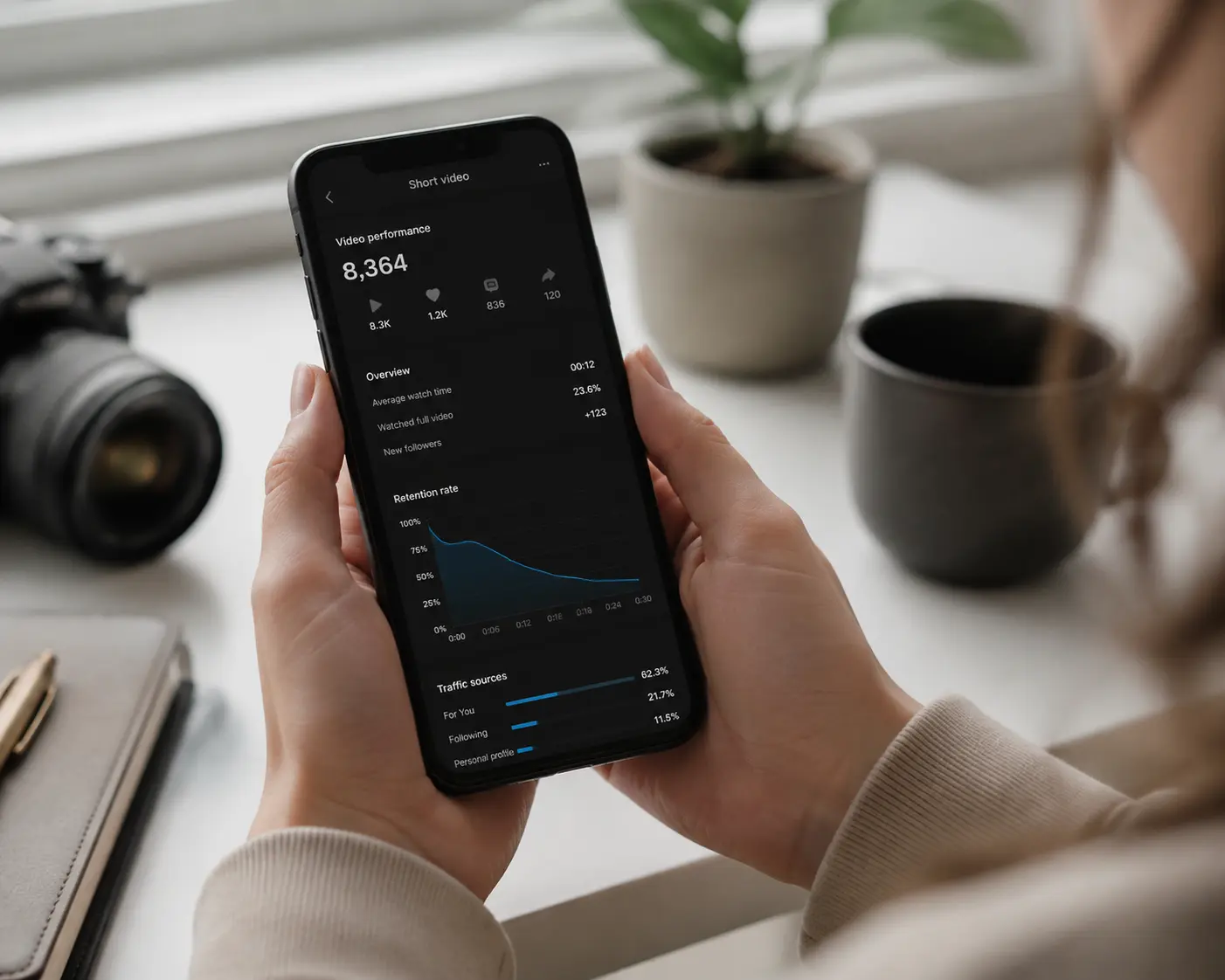
Instagram Trial Reels affect reach by sending a Reel to non-followers first through unconnected recommendation surfaces, rather than followers’ feeds. Instagram evaluates early signals over roughly 72 hours. Views may be lower than standard Reels, but strong watch time, likes, and sends can expand distribution and reach new audiences.
Updated: September 2026
What Are Instagram Trial Reels and How Do They Change Reach?
Instagram Trial Reels send content to non-followers first through recommendation surfaces such as the Reels tab and Explore. The Reel usually stays off your grid, Reels tab, and followers’ feeds until you share it or Instagram promotes it based on internal performance signals.
Instagram announced Trial Reels on December 10, 2024, for eligible professional accounts, then expanded availability to all creators by June 2025. The feature changes the first audience, not the video format itself. You still create and edit a vertical Reel, add a caption, select an audience setting, and publish through Instagram’s normal creation flow.
Based on the verified research brief, the key difference is ranking access. A standard Reel initially competes for attention among connected viewers, including people who follow you. A trial begins in the unconnected recommendation system, where Instagram tests whether people unfamiliar with your account will watch, like, or send it.
Followers can still encounter a trial if another person shares it directly, or if they find it through shared audio, a location page, or a filter surface. That exception matters for creators who assume the feature creates a complete privacy wall. It does not.
How Does Instagram Rank Trial Reels in 2026?
Instagram ranks Trial Reels through the unconnected recommendation system instead of the connected ranking system. Adam Mosseri described the feature as a way to “bypass the entire connected ranking system” and go directly to unconnected recommendations, reducing the risk of overwhelming existing followers.

This is a meaningful reach distinction. The first viewers are selected because Instagram predicts they may respond to the subject, format, audio, or viewer behavior pattern, not because they already follow the creator. A niche cooking creator, for example, could test a budget meal format with people who watch food content but have never seen that account.
The available evidence does not reveal a public scorecard or a fixed threshold for automatic promotion. Instagram has not published a required watch-time percentage, engagement rate, or composite score. Treat claims about a universal “trial Reel threshold” cautiously.
In practice, prioritize signals that indicate genuine viewer interest. A short video with fewer views but strong sends and sustained watch time may provide a better test result than a video with more impressions and weak retention. This is also why simply comparing a trial with a follower-facing Reel can produce the wrong conclusion.
Why Do Instagram Trial Reels Often Get Fewer Views Than Standard Reels?
Trial Reels often receive fewer initial views because followers, the warm audience most likely to recognize and engage with your content, are excluded from the first distribution phase. Instagram and Mosseri recommend comparing trials with other trials, while weighting watch time, sends, and likes more heavily than raw views.
A standard Reel may receive an early lift from followers who regularly watch your videos, respond to your captions, or share your posts in group chats. A trial does not receive that same opening audience. Its first impressions come from people who need to understand the hook immediately, without prior familiarity with your account.
That makes the first two seconds especially important. A creator testing a new educational topic should state the payoff quickly, show the relevant object or result early, and remove context that only existing followers would understand. “Three ways to fix a weak product photo” is easier for a cold viewer to process than an inside joke aimed at regular followers.
Do not treat a lower view count as automatic failure. Record the trial’s reach, average watch behavior, likes, comments, saves, and sends, then compare it with a similar trial published under similar conditions. If you want a broader baseline for follower-facing engagement, keep your Instagram Likes planning separate from Trial Reel analysis, because paid or accumulated engagement does not explain whether cold viewers watched the video.
How Long Does Instagram Test a Trial Reel?
Instagram evaluates a Trial Reel over roughly the first 72 hours, while creators can usually inspect early performance after about 24 hours. If internal signals are strong, Instagram may distribute the Reel to followers and broader surfaces automatically, or you can share it manually sooner.
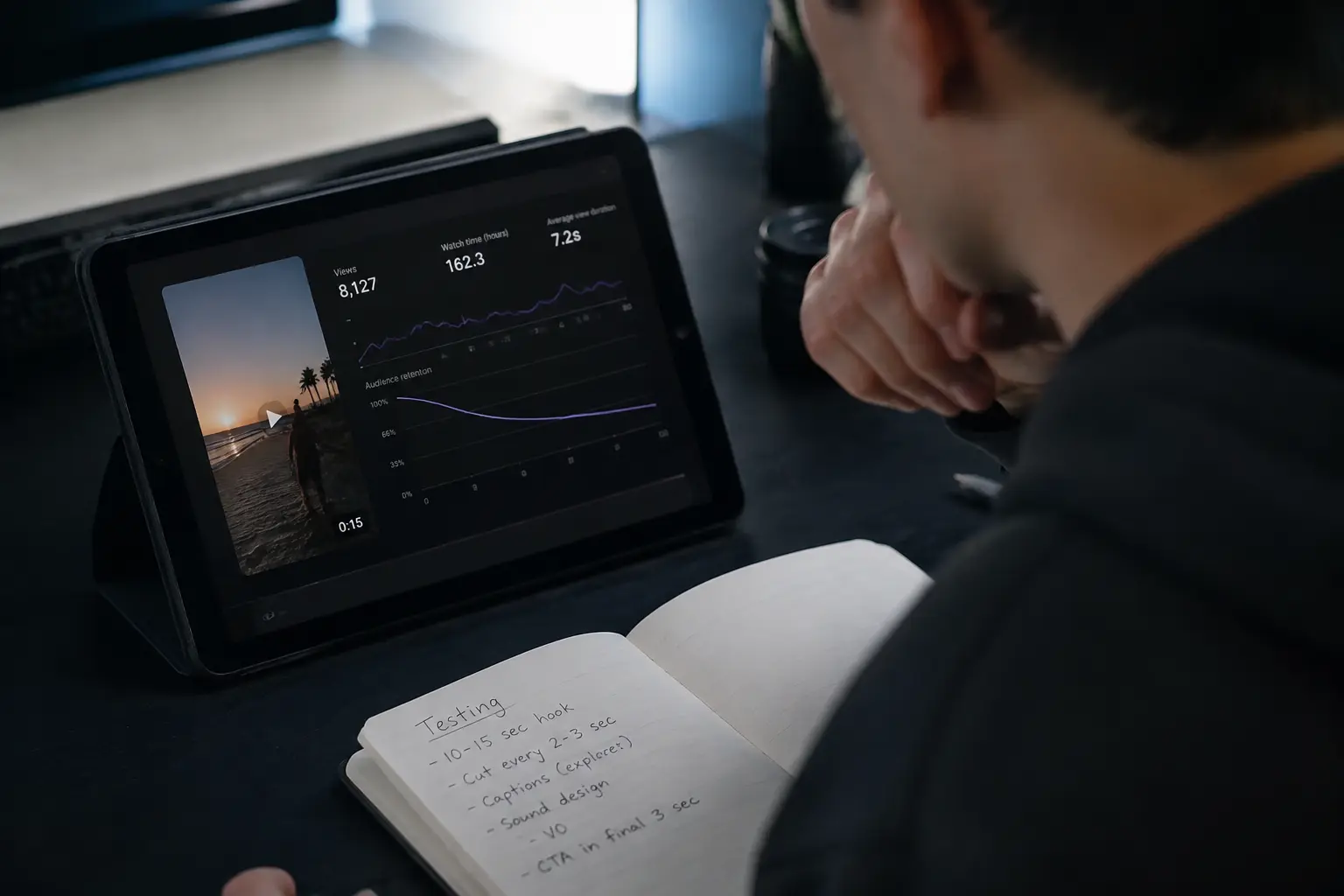
The 24-hour check is useful for diagnosis, not for declaring a final winner. Early distribution can be uneven, especially when a video appeals to a narrow topic or when the recommendation system is still finding a suitable audience. A weak first few hours may indicate a poor hook, but it can also reflect limited initial matching.
At approximately 72 hours, review the full test window. Look for whether the video held attention beyond its opening, whether viewers sent it to someone else, and whether it produced meaningful profile activity. Instagram’s public guidance does not provide a precise automatic-sharing formula, so use the 72-hour point as a consistent comparison boundary rather than a guaranteed cutoff.
Creators can also enable automatic sharing when the feature is available in their account flow. Manual sharing remains useful when a Reel is strategically timely, such as a response to a product release or a seasonal search trend. Do not wait three days if the content will be obsolete tomorrow.
How Should You Measure Trial Reel Reach in Instagram Insights?
Measure Trial Reels against other Trial Reels using non-follower reach, watch time, sends, likes, saves, profile activity, and eventual follower movement. In Instagram Insights, tap the hamburger menu, then Content, select the Reel, choose View Insights, and review Reach and engagement details after the initial test period.
Use a simple testing sheet rather than relying on memory. Record the topic, opening hook, length, audio choice, publication date, reach after 24 hours, reach after 72 hours, watch-time indicators, sends, saves, likes, comments, and whether you shared the Reel with followers. A spreadsheet is enough. Buffer, Hootsuite, or Sprout Social can help with broader publishing records, but native Instagram Insights remains the primary source for the Reel’s own metrics.
| Metric | What It Helps Diagnose | How to Interpret It |
|---|---|---|
| Non-follower reach | Recommendation distribution | Shows cold-audience exposure |
| Watch time | Hook and pacing | Higher retention usually supports continued testing |
| Sends | Practical or emotional value | Strong signal that viewers want others to see it |
| Likes | Immediate approval | Useful, but weaker alone than deeper actions |
| Profile activity | Account curiosity | Indicates whether reach creates an account visit |
Our team cross-checked official guidance from Instagram for Creators, Meta’s rollout reporting, and Buffer’s documented explanation of connected and unconnected ranking. The consistent editorial conclusion is that quality of response matters more than using a single view-count target.
“Treat every Trial Reel as a controlled audience test. Change one meaningful variable at a time, and judge the result against comparable trials rather than against your best follower-facing post.” — Aisha Patel
For account-level context, compare a trial’s profile activity with your normal Reel baseline. If you need to audit a wider social footprint, keep supporting services such as Instagram Followers separate from the experiment. Purchased or external audience signals cannot replace evidence that recommendation viewers actually watched and shared the video.
Can Instagram Trial Reels Increase Reach From Non-Followers?
Yes, Trial Reels can increase non-follower reach by giving creators a direct testing lane outside their connected audience. Meta’s June 2025 analysis of more than 400,000 active Reels creators found that 40% posted Reels more frequently after using trials, and 80% of that group saw increased Reels reach from non-followers.

Those figures are useful, but they need careful interpretation. The analysis measures changes in posting frequency and non-follower reach, not follower conversion, revenue, or guaranteed growth for every account. Meta also has not published segmentation showing whether the result is equally strong for micro-creators and large accounts.
Trial Reels are most valuable when they reduce the cost of experimentation. A creator can test a new niche, storytelling style, posting frequency, or editing pattern without immediately placing every experiment in front of followers. If the concept works, the creator can share it broadly. If it fails, the account has learned something without making the entire grid feel inconsistent.
Use trials to test ideas that still fit your broader account promise. A fitness coach might test meal-prep content, but a sudden unrelated gaming clip will not necessarily tell you anything useful about the account’s core audience. Audience expansion works best when the experiment has a clear connection to a topic people may already associate with your profile.
Our editorial review compared the reported 400,000-creator analysis with Instagram’s feature guidance and the practical metric cautions documented by Buffer. The evidence supports Trial Reels as a reach-testing tool, not as a guaranteed follower-growth shortcut. If you also publish on other platforms, evaluate TikTok Followers activity separately because audience behavior and recommendation systems are not interchangeable.
How Can You Use Instagram Trial Reels Step by Step?
Use Trial Reels as a repeatable experiment, not a one-off lottery. Keep the subject aligned with your account, define one hypothesis, wait for comparable measurement points, and promote only the versions that earn meaningful cold-audience signals.
- Choose one test variable. Select a new hook, topic angle, video length, editing rhythm, or format, and avoid changing everything at once.
- Upload a 9:16 vertical video at 1080p minimum. Show the subject quickly, keep text readable on a phone, and remove intros that depend on follower familiarity.
- Publish the Reel as a Trial Reel. Confirm that the trial setting is active before sharing, and remember that followers may still encounter it through direct shares, audio, location, or filter surfaces.
- Review early metrics after about 24 hours. Check non-follower reach, watch-time behavior, likes, sends, saves, and profile activity in Instagram Insights.
- Compare results after roughly 72 hours. Evaluate the trial against similar trials, then manually share or enable automatic sharing if the result supports your objective.
- Document the decision. Save the hook, topic, metrics, and outcome so the next test changes one informed variable instead of repeating the same guess.
For production, CapCut can help create several hook variations from the same raw footage, while Instagram’s native editor is useful when you want to keep the publishing workflow simple. Avoid generating six nearly identical trials at once. Closely duplicated posts can make the test harder to interpret and may fatigue the audience that eventually sees the winning version.
What Most Creators Get Wrong About Trial Reels?
Many creators assume a Trial Reel is either a private draft or a guaranteed reach boost. It is neither. The video is public to selected non-followers through recommendation surfaces, and lower views are expected because followers are not part of the initial audience.
The counterpoint is Meta’s internal analysis of more than 400,000 creators. It found that 40% of creators using Trial Reels began posting more frequently, while 80% of that group saw increased reach from non-followers. That supports a more precise conclusion: trials can encourage useful experimentation and broader discovery, but they do not guarantee viral distribution or follower conversion.
Frequently Asked Questions
Do Trial Reels appear to my followers?
Not during the normal initial distribution. Trial Reels are routed to non-followers first and generally do not appear on your grid, Reels tab, or followers’ feeds unless you promote them. Followers can still encounter a trial if someone shares it directly or if they find it through shared audio, location, or filter surfaces.
Should I delete a Trial Reel that has low views?
Do not delete it solely because the first view count is low. Wait for the available testing window, review watch time, sends, likes, and profile activity, then compare it with similar trials. If the video has a weak opening and poor retention, document the lesson and change the hook in the next experiment.
Are Trial Reels better than normal Reels for growth?
They serve different purposes. Standard Reels let you reach existing followers immediately, while Trial Reels test whether an idea works with non-followers before broad promotion. Use standard Reels for proven formats, announcements, and community conversations. Use trials when you need evidence about an unfamiliar topic, hook, or presentation style.
Key Takeaways
- Trial Reels reach non-followers first through Instagram’s unconnected recommendation surfaces.
- Instagram evaluates trial performance across roughly 72 hours, with early analytics available after about 24 hours.
- Lower raw views are normal because followers are excluded from the initial distribution.
- Watch time, sends, likes, saves, and profile activity provide more useful evidence than views alone.
- Meta reported that 40% of trial users posted more often, and 80% of that group increased non-follower reach.
- Compare trials with comparable trials, and treat the feature as an experimentation system rather than a guaranteed growth shortcut.