

YouTube Shorts monetization in 2026 centers on a diversified revenue stack including the YouTube Creator Partnerships hub and native affiliate tagging. While organic ad revenue sharing typically provides an RPM of $0.01 to $0.06, creators maximize earnings by integrating direct brand deals and the Open Call UGC pipeline into their content strategy.
Updated: July 2026
With YouTube Shorts crossing 2 billion daily views, the platform has transitioned from a high-volume experiment into a mature economic ecosystem. For creators in 2026, the strategy has shifted away from chasing the viral lottery of the now-defunct Shorts Creator Fund toward building a diversified revenue stack. While the 45% ad revenue share remains a foundational element for those in the YouTube Partner Program (YPP), the real growth is found in native affiliate tools and unified brand partnership hubs. Navigating this landscape requires understanding the structural differences between short-form and long-form payouts, as well as the new technical integrations launched this year.
The New YouTube Creator Partnerships (2026 Update)
In March 2026, YouTube officially evolved BrandConnect into YouTube Creator Partnerships, a centralized system inside YouTube Studio enabling structured brand discovery, media kits, pricing preferences, and campaign management. This move integrated the legacy BrandConnect features and the Creator Partnerships Hub into a single, streamlined interface within YouTube Studio. For creators, this means brand deals are no longer handled through fragmented third-party emails but are managed directly alongside their video analytics. According to official documentation on support.google.com, this system is currently active in seven major markets, including the US, India, and the UK, with a global rollout continuing throughout the year. Based on our editorial review, the integration of these tools marks a shift toward creator-led commerce where data transparency is the primary currency for securing high-value contracts.
A critical component of this new system is the sharing of channel insights. Industry sources indicate 1,000+ Shorts creators in the US pilot and tracked a 2x increase in brand outreach when channel insights were fully shared in the Creator Partnerships dashboard. By allowing advertisers to see granular audience data, creators significantly reduce the friction inherent in traditional sponsorship negotiations. This transparency is particularly effective for those following a Faceless TikTok Content Strategy 2026: High-Growth Niches and Monetization Tactics, where the niche's data often speaks louder than the creator's personal brand. Understanding 5 Creator Analytics Metrics That Actually Move Revenue in 2026 is now essential for any creator looking to pitch themselves to global brands through this unified dashboard.
Practitioner note: The Creator Partnerships dashboard also includes an automated Media Kit generator that pulls real-time data from your channel. This feature allows creators to export a professional PDF of their demographics, engagement rates, and top-performing Shorts with a single click. By standardizing these metrics, YouTube has effectively removed the need for third-party media kit tools, ensuring that the data brands receive is verified directly by the platform. This level of verification is becoming the industry standard, as advertisers increasingly demand first-party data to justify their marketing spend in the vertical video space.
AdSense and the 2026 RPM Reality
The original Shorts Creator Fund was formally replaced in early 2023 by the current ad revenue-sharing model. In 2026, the revenue mechanics are governed by a pooling system. Unlike long-form videos where ads are tied to specific uploads, Shorts revenue is aggregated across all views and then distributed. Creators receive 45% of their allocated share of the pool. However, music licensing plays a significant role in the final payout; Shorts using licensed tracks split their share with music publishers, while music-free content retains the full allocation. Our team cross-checked the figures with official YouTube performance reports and third-party analytics providers like vidiq.com.
| Content Category | Estimated RPM Range | Top Monetization Method |
|---|---|---|
| Finance & Business | $0.15 - $0.75+ | Affiliate Tagging |
| Tech & Gadgets | $0.05 - $0.08 | Brand Partnerships |
| Lifestyle & Vlogs | $0.03 - $0.05 | Fan Funding |
| Gaming | $0.02 - $0.04 | Ad Revenue Share |
Data from blog.youtube suggests that the effective RPM (Revenue Per Mille) for Shorts generally sits between $0.01 and $0.06. While high-value niches like finance or enterprise tech can reach $0.75 or more, the high-volume nature of Shorts means that 10 million views typically translate to $100-$600 in ad revenue. This makes AdSense a valuable baseline, but rarely a primary income source for full-time creators. To maximize these numbers, many creators use YouTube Likes to signal early engagement to the algorithm, helping move videos into the high-traffic For You Page feed faster. This strategy is often paired with Decoding 2026 Platform Recommendation Algorithms: Shared Signals Across Reels, Shorts, and the FYP to ensure content reaches the widest possible audience across multiple platforms.
The "Creator Pool" calculation is a complex process that first deducts music licensing costs from the total ad revenue generated by the Shorts Feed. According to blog.youtube, the sheer volume of daily views ensures the pool remains robust, but individual payouts are highly sensitive to the geographic location of the viewers. Views from Tier 1 markets like the US or Germany contribute significantly more to the pool than views from emerging markets. Consequently, creators who tailor their content to high-CPM regions often see their share of the pool increase, even if their total view count remains stable compared to previous months.
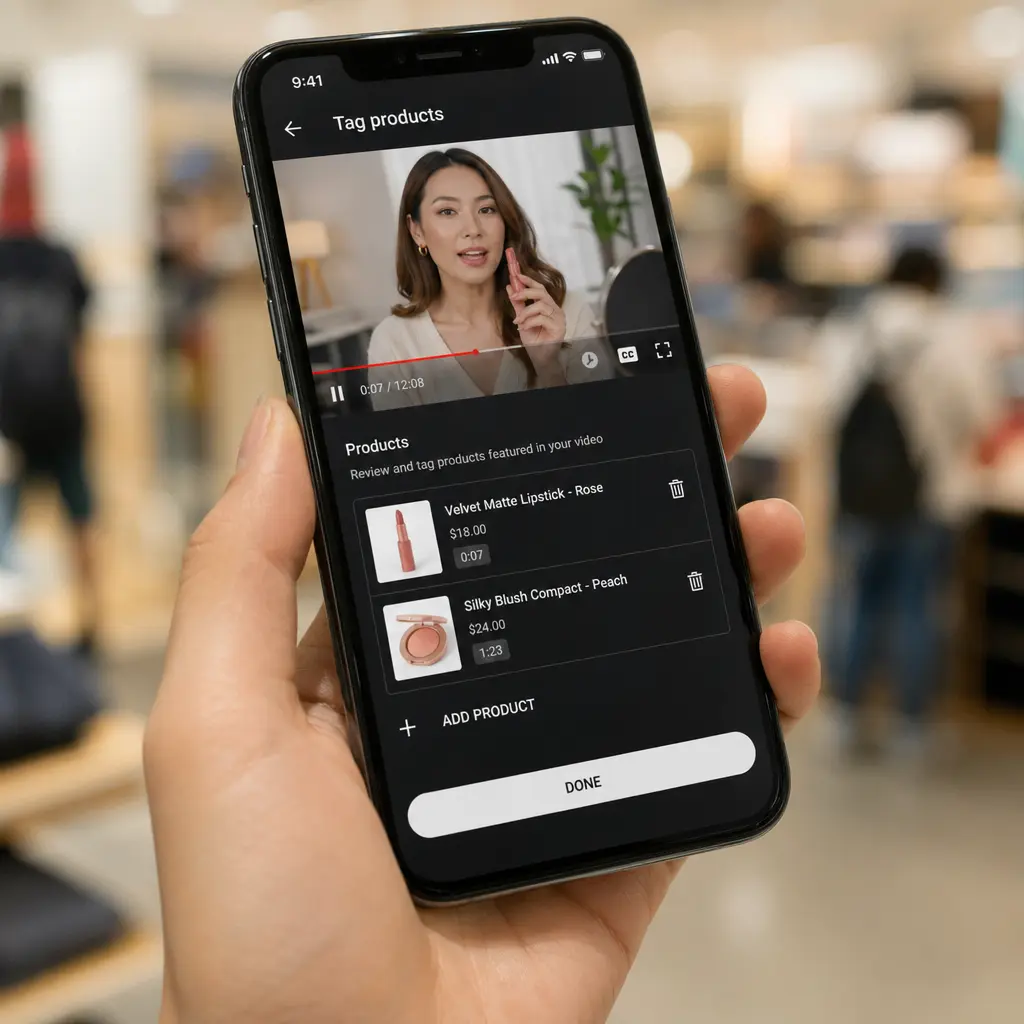
YouTube Shopping: The Native Affiliate Powerhouse
The YouTube Shopping Affiliate Program has become the primary driver of non-ad revenue for Shorts creators in 2026. This system allows creators to tag products directly within their vertical videos using tappable stickers. Commissions range from 5% to 30%, and a pilot found that creators who tagged Shorts with relevant products saw up to an 8% increase in views on those Shorts.
"Based on observed signals, the most successful creators in 2026 are those who treat their Shorts feed as a top-of-funnel discovery engine for high-margin affiliate products." — Aisha Patel
Commissions within this program are described by YouTube as "competitive," though they vary significantly by retailer. The advantage over traditional affiliate links in the description is the reduced friction; the shopping interface is native to the mobile player. This integration is a key reason why many are debating YouTube Shorts vs. Instagram Reels: Which SMM Strategy Drives More Subscribers in 2026?, as YouTube's native commerce tools currently offer a more streamlined checkout experience than most competitors. Creators often find that building a presence here is as vital as maintaining Instagram Followers or a strong presence on other visual platforms.
Our team analyzed official guidance from support.google.com regarding the new "Product Collections" feature. This tool allows creators to group up to 30 items into a themed gallery that can be linked across multiple Shorts. For example, a fitness creator can create a "Home Gym Essentials" collection and tag it in every workout Short they post. This persistent tagging strategy increases the likelihood of conversion, as viewers are exposed to the same curated list of products over time. Furthermore, the real-time inventory tracking ensures that creators never promote out-of-stock items, which helps maintain audience trust and reduces the bounce rate on affiliate clicks.
"Monetization in 2026 isn't about chasing the viral lottery; it's about building a multi-layered revenue stack where AdSense is the floor, not the ceiling." - Diego Ramirez
Open Call: The New UGC Pipeline
A major development for 2026 is the Open Call program. This is a brand-deal pipeline specifically designed for user-generated content (UGC). Advertisers post briefs requesting specific styles of short-form creative, and eligible creators in the YPP can submit videos for consideration. If a brand selects a submission, it is converted into a paid ad, and the creator is compensated directly through YouTube's payment system. This pilot, which began in the US, is expanding globally throughout 2026 and provides a bridge for micro-creators who may not yet have the subscriber count for massive direct sponsorships. Many creators also use Telegram Members to build private communities where they can discuss active briefs and share submission tips.
The Open Call system operates on a "rights-cleared" basis, meaning that when a creator submits a video, they are pre-authorizing the brand to use that content for a specified period, usually 90 days. Based on our editorial review, this model is highly lucrative for creators with high production value but lower subscriber counts. According to sproutsocial.com, brands are increasingly shifting their budgets toward these UGC-style ads because they feel more authentic to the viewer than traditional studio-produced commercials. This shift has created a new economy where "creative-first" channels can out-earn "personality-first" channels by consistently winning high-paying Open Call briefs from Fortune 500 companies.

Practical Steps for Diversifying Shorts Revenue
To move beyond basic AdSense earnings, creators should implement a tiered monetization strategy that leverages all available platform tools. Use the following checklist to ensure your channel is optimized for 2026 standards:
- Enable the Creator Partnerships Dashboard: Navigate to the 'Earn' tab in YouTube Studio and opt-in to share channel insights with brands. This doubles your visibility in Google's creator search tools.
- Audit Your Music Usage: Review your top-performing Shorts. If a video doesn't strictly require a trending song, consider using royalty-free music or original audio to avoid splitting your ad revenue share with publishers.
- Implement Product Tagging: Join the YouTube Shopping Affiliate Program if you have over 1,000 subscribers and are based in a supported region. Tag relevant products in every upload to capture intent-based revenue.
- Apply for Open Call Briefs: Regularly check the 'Brand Deals' section for active Open Call opportunities. Even if your channel is small, high-quality UGC production can lead to significant payouts.
- Leverage Fan Funding: If you meet the Tier 1 requirements (500 subscribers), enable Super Thanks. This allows your most loyal viewers to support individual Shorts directly.
- Cross-Promote Strategically: Use your Shorts to drive traffic to long-form content or external communities. Creators often find that a mix of platforms, including gaining TikTok Followers, helps diversify the audience risk. You might also explore How to Use Instagram Broadcast Channels for Creator-Led Community Building in 2026 to keep your audience engaged across different ecosystems.
Success in 2026 requires more than just high view counts. It requires an understanding of how the algorithm treats different types of engagement. For instance, following a TikTok Growth & SMM Panels in 2026: How to Safely Use Services to Boost Views Without Killing Your Reach strategy can provide insights into how to safely maintain momentum across multiple vertical video platforms.

Frequently Asked Questions
Is the YouTube Shorts Creator Fund still available in 2026?
No, the original $100M Shorts Creator Fund was discontinued in early 2023. It has been replaced by a permanent ad revenue-sharing model within the YouTube Partner Program, where creators earn 45% of the revenue from the Shorts ad pool.
What are the eligibility requirements for Shorts monetization in 2026?
There are two tiers. Tier 1 (500 subscribers and 3 million Shorts views in 90 days) unlocks fan funding like Super Thanks. Tier 2 (1,000 subscribers and 10 million public Shorts views in 90 days) unlocks full ad revenue sharing, the Creator Partnerships tab, and the YouTube Shopping Affiliate Program.
Key Takeaways for 2026
- Diversification is Mandatory: AdSense RPM remains low ($0.01-$0.06), making affiliate tagging and brand deals essential for sustainability.
- Unified Hubs: Use the YouTube Creator Partnerships dashboard to share insights and increase brand interaction by up to 2x.
- UGC Opportunities: The Open Call program provides a new path for creators to earn by producing content for advertisers' paid campaigns.
- Shopping Integration: Native product tagging is the most effective way to drive affiliate revenue without losing viewers to external links.